


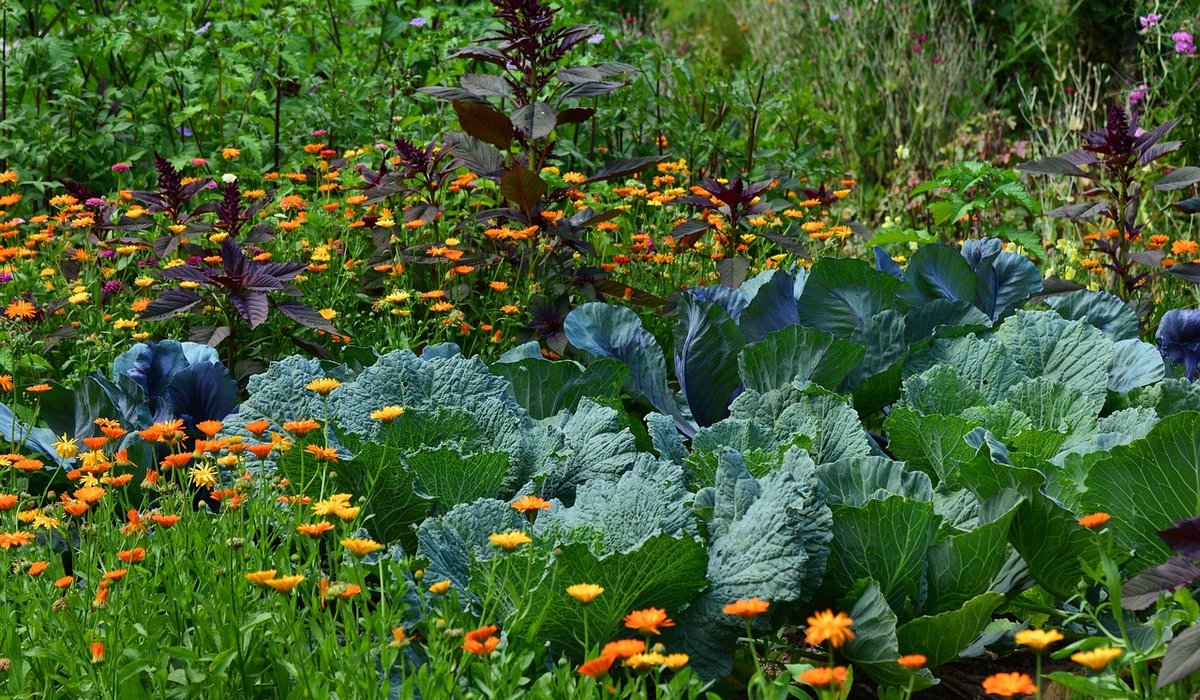
A cottage garden border is forgiving, generous and endlessly rewarding, but the ones that look good in April and still hold their own in October rarely happen by accident. They rely on a simple trick: layering. Bulbs come up through low perennials, perennials knit around shrubs, and evergreens and grasses hold the shape when everything else has finished. Get that structure right and the border does most of the work for you.
Start with the site, not the shopping list
Before you buy a single plant, spend a week watching the space. Cottage borders traditionally run along a path or a wall, which usually means one side is baked and the other shaded. Note how many hours of direct sun the spot receives and whether the soil is free-draining or heavy clay. Most cottage favourites — hardy geraniums, salvias, nepeta, achillea — want sun and reasonable drainage, so if your border sits in dappled shade you will get better results leaning on aquilegia, foxgloves, epimedium and hardy ferns instead.
Improve what you have rather than fighting it. Fork in two or three buckets of well-rotted garden compost per square metre, plus a handful of blood, fish and bone, and let the worms do the rest. A border dug over properly in autumn will outperform one planted in haste every time.
Build the backbone in shrubs
Shrubs give a cottage border its winter bones and stop it dissolving into a muddle of stems. Aim for roughly a quarter of the planting to be woody, and favour things that earn their keep more than once.
- Shrub roses such as a repeat-flowering English rose for scent and hips.
- Hydrangea 'Annabelle' for huge white heads that dry on the plant.
- Choisya ternata or a compact Viburnum for evergreen cover and spring scent.
- Lavandula angustifolia for grey foliage, nectar and structure in free-draining spots.
Space shrubs at their eventual spread rather than cramming them in — a border that looks full in year one will be a wrestling match by year three. Underplant them as you go so bare soil never gets the chance to grow weeds.
Choose perennials that pull their weight
The workhorses of a long-season border are the ones that flower for months rather than weeks. Plant in generous drifts of three, five or seven of the same variety, repeating them along the border so the eye travels.
- Geranium 'Rozanne' — flowers from June to the first frost.
- Salvia nemorosa 'Caradonna' — spires of deep violet, brilliant with grasses.
- Nepeta racemosa 'Walker's Low' — soft blue, flopping happily over path edges.
- Achillea 'Moonshine' and Helenium for late-summer colour.
- Alchemilla mollis and aquilegia for self-seeding filler between the stars.
Plant perennials roughly 30–45cm apart and be patient; they will close the gaps within two seasons. Water them well through their first summer and they will look after themselves thereafter.
Use bulbs to bookend the year
Bulbs are the cheapest way to buy months of extra interest, and cottage borders suit them perfectly because they allow the messy, yellowing foliage to hide behind emerging perennials. Plant in September and October.
- Snowdrops and crocus at the very front, in small clumps.
- Narcissus in drifts through the middle, planted 10–15cm deep.
- Tulips in bold blocks — plant 15–20cm deep, and treat them as annuals if they tire.
- Allium hollandicum 'Purple Sensation' and camassia to bridge late spring into early summer.
- Nerines for a surprise flush of pink in September.
Plant bulbs in threes or fives per hole rather than one at a time; the resulting clumps look far more natural than soldiers in a row.
Cut back, deadhead and divide
Maintenance is where a border either flourishes or fades. Deadhead regularly through summer — roses, salvias and penstemons all respond with more flowers. Around late May or early June, cut back strong growers such as nepeta, achillea and sedum by a third to a half. This is the so-called Chelsea chop, and it delivers sturdier stems, later flowers and a tidier border.
Hardy geraniums and delphiniums can be sheared after their first flush to encourage a second. From autumn onwards, resist the urge to clear everything. Leave seedheads of echinacea, eryngium and grasses standing — they look wonderful in frost and feed the birds. Tidy properly in late February or March, cutting perennials back to a few centimetres above soil level as new shoots appear.
Divide congested clumps every three to five years, either in early spring or September. Lift the whole plant with a fork, split it with two forks back to back, discard the woody centre and replant the vigorous outer pieces with a spadeful of compost. You will get healthier growth, bigger flowers and free plants to spread along the border. Do that every couple of years, and your cottage border will keep giving from February through to the first hard frost.


Leave a reply